


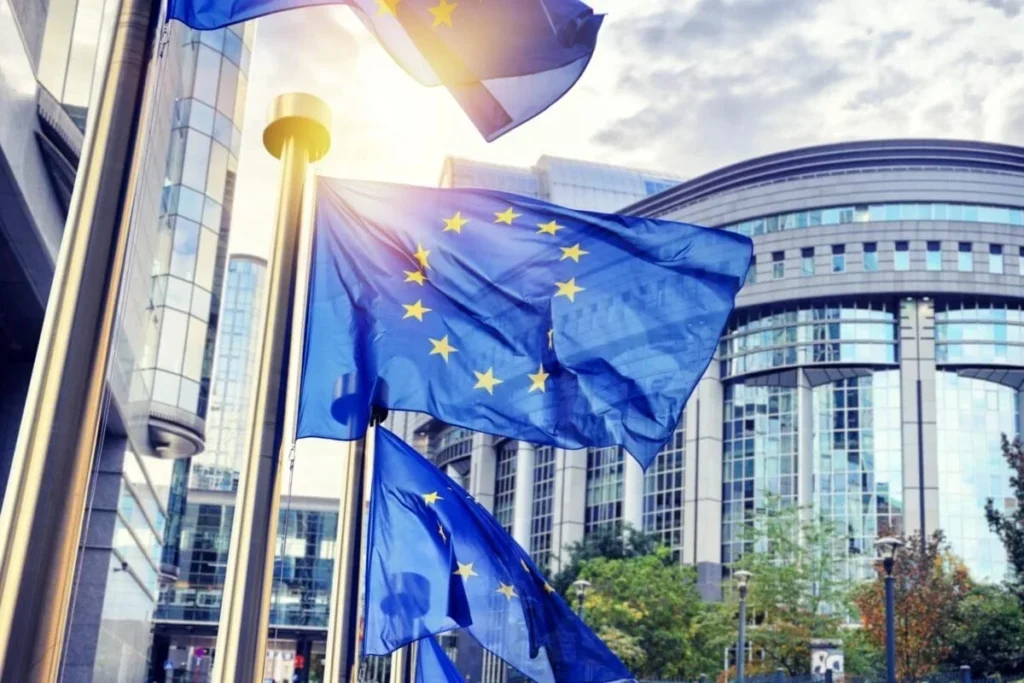
In a move reflecting Europe’s growing sensitivity to issues of security, governance, and international mobility, the European Parliament has recently approved a substantial amendment to the visa waiver suspension mechanism. This change grants the European Union greater flexibility to reimpose Schengen entry requirements on certain countries if risks or violations affecting security or the Union’s core values are identified.
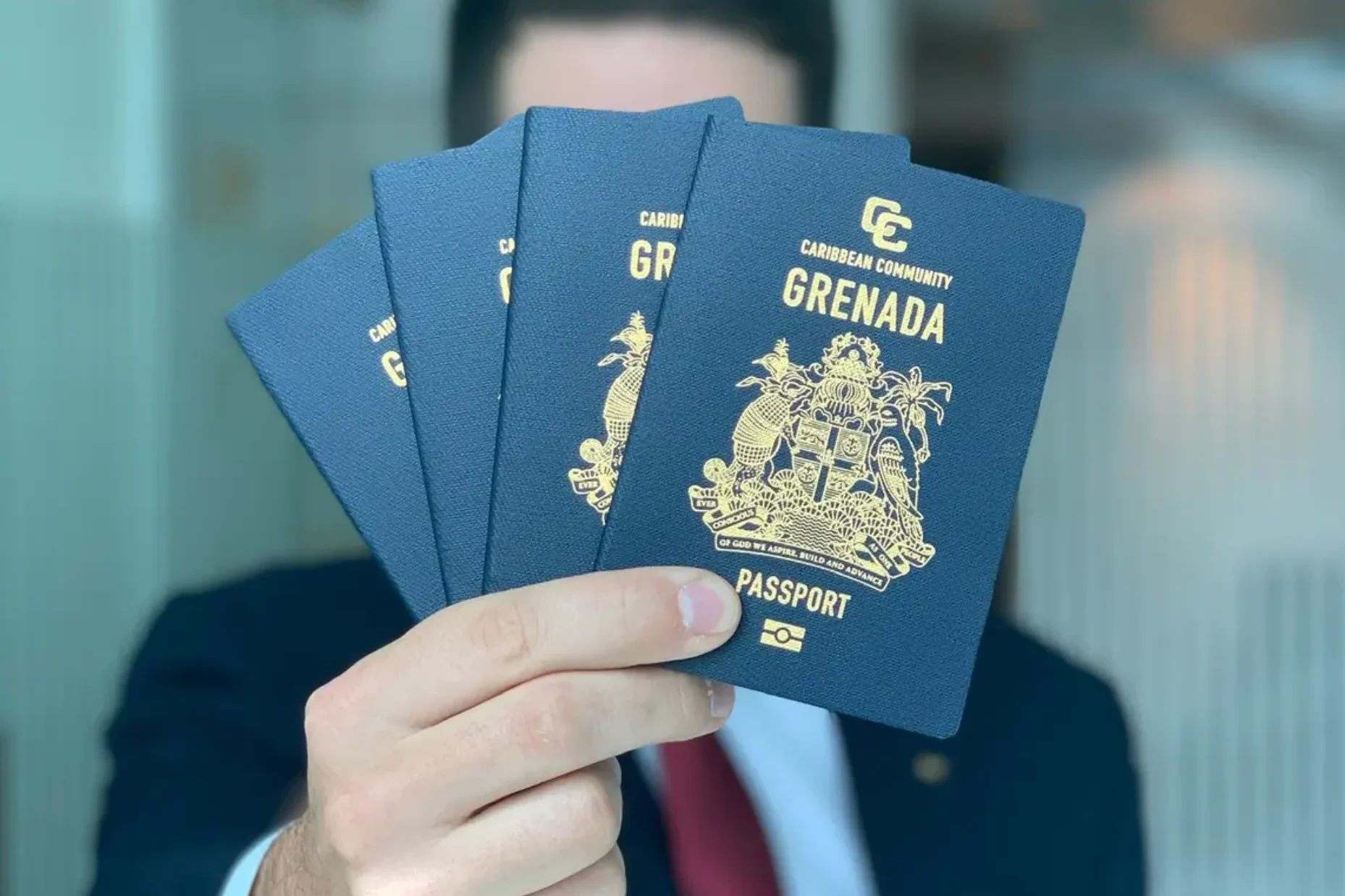
While this development may appear technical at first glance, it carries significant strategic implications—particularly for holders of passports from countries that currently enjoy visa-free access to the Schengen Area, most notably several Caribbean states offering citizenship by investment programs.
Why Did the European Union Amend the Mechanism Now?
This amendment comes amid a rapidly evolving global context characterized by the overlap between security and migration, the politicization of mobility, and the emergence of what are known as “hybrid threats.” These are practices that may not fall within the scope of traditional military action but are used for political influence or geopolitical pressure, including the exploitation of migration flows or weaknesses in screening systems.
Until now, citizens of 61 countries have been able to enter the Schengen Area without a short-stay visa. However, the EU has concluded that the tools at its disposal were no longer sufficient to address certain emerging scenarios. The amendment therefore equips the Union with a faster and more flexible capacity for preventive action, rather than relying solely on delayed responses.
The core message is clear:
Visa-free access is a privilege based on trust and mutual compliance—not a permanent right beyond evaluation.
What Has Changed at the Core of the Mechanism?
The revised framework expands the range of grounds that may lead to the suspension of visa-free travel, explicitly incorporating factors that were not previously codified, such as:
- Hybrid threats or the political exploitation of migration
- Serious violations of human rights
- Failure to comply with international court rulings
- Persistent shortcomings in controlling irregular migration or overstays
At the same time, the EU has preserved the principle of gradual and lawful procedures. Visa requirements will not be imposed arbitrarily or immediately, but through a phased process that begins with monitoring, followed by temporary suspension, and only escalates to permanent measures if violations remain unaddressed.
What Does This Mean in Practice for Caribbean Nationals?
From a practical standpoint, there is no immediate change to the status of Caribbean nationals, including those who acquired citizenship by investment. All Caribbean countries currently retain visa-free access to the Schengen Area, and there are no present indications of imminent suspension measures.
However, the implicit message is more significant:
States—regardless of their size or history—are now subject to ongoing evaluation rather than a one-time approval.
For Caribbean passport holders, this means that the strength of a passport is no longer measured solely by the number of destinations it grants access to, but also by the resilience of the political and legal relationship between the issuing state and the European Union, as well as the robustness of its compliance and governance systems.
How Is the New Mechanism Activated in Case of a Violation?
If the EU identifies concerning indicators, the process unfolds in several graduated stages:
The initiative may be triggered either by a member state or by the European Commission itself, based on reports or risk assessments.
A temporary suspension of the visa waiver may then be imposed, accompanied by a formal investigation and direct dialogue with the country concerned.
During this phase, the state is given the opportunity to provide explanations or implement corrective measures.
Only if shortcomings persist can the temporary suspension be converted into a permanent decision.
This approach minimizes the element of surprise and grants states a genuine opportunity to rectify issues before reaching the stage of sanctions.
Quantitative Benchmarks: The Numbers That Drive Decisions
For the first time, the amendment introduces clear numerical indicators, including:
- A significant increase of 30% or more in cases of overstaying
- A rise of over 20% in rejected asylum applications
- Higher rates of serious crime linked to nationals of the country concerned
These figures do not operate in isolation but serve as early warning signals prompting closer scrutiny and potential action.
A Strategic Reading: What Lies Behind the European Decision
Rather than targeting specific countries, this amendment reflects a broader shift in how international mobility is managed. Europe is making it clear that freedom of movement can no longer be separated from security considerations and institutional values.
For Caribbean nations, this represents an additional incentive to strengthen due diligence frameworks and further align citizenship-by-investment programs with the highest international standards, safeguarding their reputation and global standing.
Practical Guidance for Passport Holders and Investors
In this evolving landscape, investors and holders of second citizenships are advised to:
Rely exclusively on official sources for updates
Avoid sensational headlines and inaccurate commentary
Choose citizenship programs known for legal rigor and transparency
Seek professional advice before making long-term investment decisions
Our Commitment at Access Way
At Access Way, we closely monitor these developments and are committed to providing our clients with balanced, factual analysis—free from exaggeration or false reassurance. We believe that accurate knowledge is the foundation of sound decision-making in the world of citizenship and residence by investment.
We continue to operate in line with the highest standards of transparency and responsibility, opening the door for our clients to secure, stable global mobility built on a deep understanding of an ever-changing international landscape.