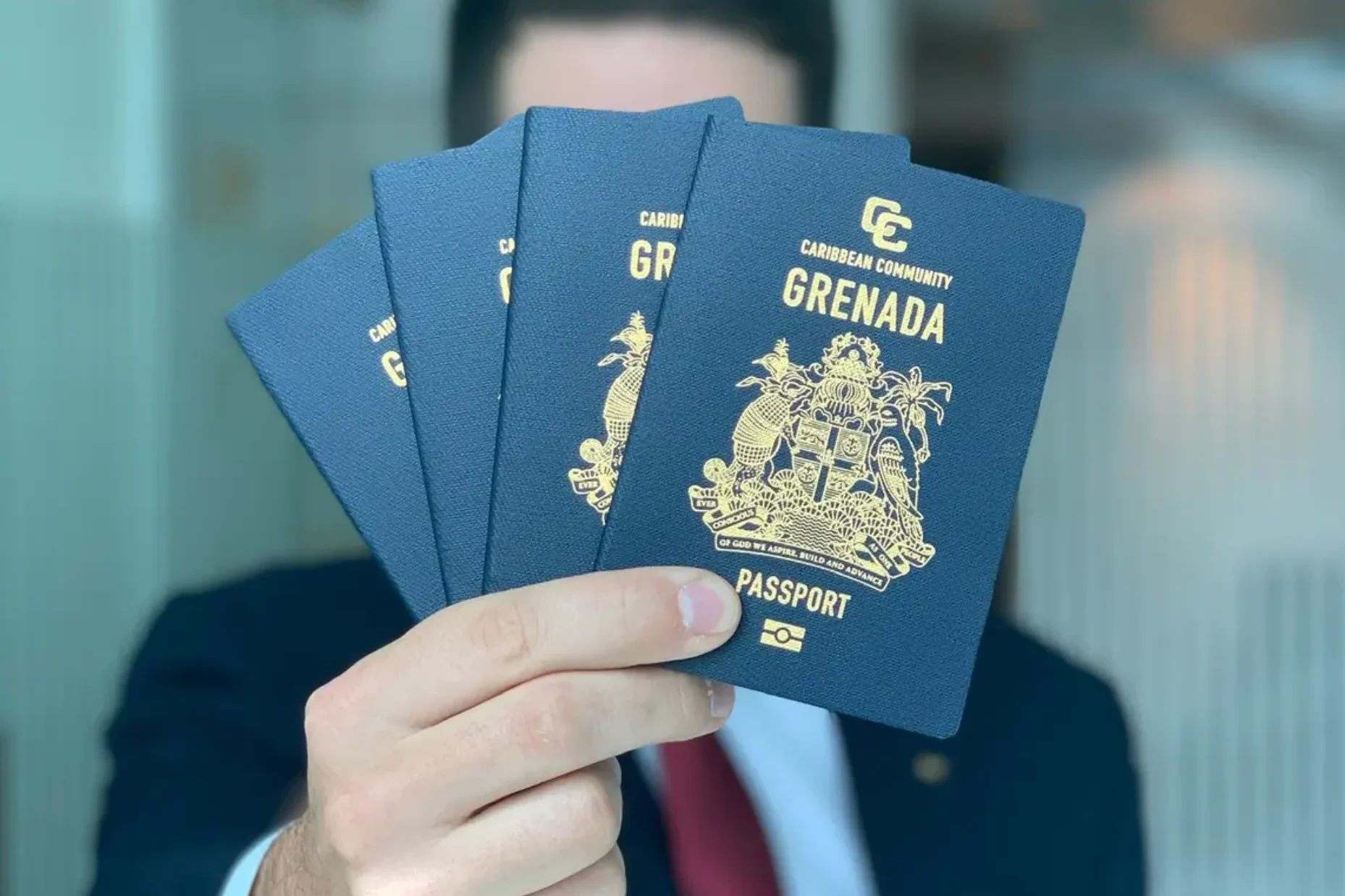




When St. Kitts and Nevis joins the growing group of Caribbean countries willing to Receiving Deportees and Refugees from the United States in Caribbean countries, the news should not be read as a passing political headline. It points to a deeper shift in how migration is being managed across the region. This is a decision shaped by overlapping layers: legal and security considerations, operational and reception mechanics, diplomatic signaling, and humanitarian and economic consequences that reach from the Caribbean to North America’s policy centers.
St. Kitts and Nevis may be small by geography, yet it can be highly influential in cross-border mobility discussions—especially within a Caribbean landscape that is redefining its role in managing forced or structured movement. As more states in the region move toward cooperation on deportation and refugee-related arrangements, what matters most is not the announcement itself, but whether implementation is disciplined enough to prevent disorder and strong enough to endure.
Why is the topic of receiving deportees and refugees from the United States in Caribbean countries accelerating now?
Major decisions rarely emerge in isolation. St. Kitts and Nevis’s entry into this track is typically driven by intersecting factors: U.S. efforts to manage domestic pressure tied to migration, smaller states seeking to strengthen their standing as reliable partners, and financial or technical considerations linked to capacity-building. The central issue, however, remains straightforward: is the file being handled as a short-term pressure valve, or as a system designed to function over time under clear standards?
In practical terms, “receiving” is not measured by arrival counts alone. It is measured by a state’s ability to provide a complete service chain—identity verification, temporary accommodation, health and psychosocial support, understandable legal pathways, and security coordination that protects sovereignty while curbing trafficking and smuggling. That is why any serious conversation about receiving deportees and refugees must include administrative readiness, legal structure, and day-to-day operational competence.
St. Kitts and Nevis: a political decision that demands operational precision

Geographically, St. Kitts and Nevis sits within routes tied to travel, work, tourism, and transit. When a country of this size opts into reception-related arrangements, it sends several messages at once: to partners, that it can commit to an organized framework; to its domestic audience, that the file will be managed proactively; and to the region, that it intends to be positioned ahead in cooperation and negotiation.
But the value of the decision is proven in the details. Who runs reception operations? What screening criteria apply? How are rights upheld without compromising sovereign control? How are vulnerability cases handled? And how are loopholes closed—especially those exploited by trafficking and smuggling networks? These questions define the difference between a workable model and a costly setback.
What does receiving deportees and refugees from the United States in Caribbean countries mean for individuals and organizations?
For individuals, the issue is dignity and safety first. A deportee or refugee does not only need a destination; they need a path they can understand: Where will they stay? What are their rights and responsibilities? How can they access healthcare? What about family reunification? How should they engage with authorities without confusion? And how can they avoid illegal brokers who sell false certainty?
For companies and organizations, expanding reception arrangements often creates rising demand for compliance and documentation support, housing and transport coordination, care services, and responsible data handling. At the same time, scrutiny intensifies. Any operational weakness can quickly become a reputational crisis, a legal exposure, or a disruption to funding and partnerships. Professionalism is not a marketing advantage here; it is a baseline requirement.
Between humanity and sovereignty: the balance that determines success
This file cannot be handled by leaning entirely on one narrative. Humanity means protecting those who deserve protection and meeting minimum standards of care and dignity. Sovereignty means border control, identity verification, and determining who qualifies for entry, protection, or transit. The Caribbean can succeed when the rules are stable and clear: publicly defined procedures, channels for complaints and review, consistent standards where possible, and partnership models that assign responsibility properly.
When reception becomes a system rather than a slogan, disorder becomes less likely, capacity becomes manageable, and the public can understand what is happening—and why.
How does this shape St. Kitts and Nevis’s international standing?
If managed with discipline, the decision can strengthen the country’s image as a capable Caribbean hub for handling sensitive files. Reputation is not cosmetic; it is political and economic capital that affects access to technical support, investment confidence, and negotiating leverage.
Yet the challenges are real: pressure on public services, public sensitivity, and the risk of exploitation by smuggling and trafficking networks. Addressing these risks begins with clear communication, planned capacity—not reactive improvisation—and continuous review of vulnerabilities.
Three layers that make reception work
First, governance: clear accountability, defined authorities, solid inter-agency coordination, and measurable outcomes. Second, daily operations: reception procedures, transport, accommodation, medical checks, interviews, case management, quality control, and data protection. Third, the future pathway: is the end goal temporary stay, long-term integration, or onward movement to a third country? Without a clear exit vision, reception turns into congestion—and congestion turns into crisis.
Across all three layers, expertise is what separates stability from chaos: legal expertise for compliance, operational expertise for execution, and communication expertise for public trust.
Where AccessWay fits in the landscape of receiving deportees and refugees
In moments of transition, good intentions are not enough. What is needed is a partner that turns change into an actionable plan. AccessWay approaches mobility and immigration as an integrated system—documents, pathways, requirements, risks, and compliance. We read the landscape realistically, clarify options, and strengthen the details in ways that reduce surprises and increase the chance of a successful outcome.
We do not sell vague promises. We offer practical recommendations based on updated information, supporting individuals and institutions in making decisions with less risk and more clarity—especially when legal requirements, operational realities, and public sensitivity intersect.
What should be done now?
If you are following these developments because you are directly concerned with asylum, transit, or status regularization, do not build decisions on headlines alone. Ask about the legal framework, covered categories, requirements, and realistic timelines—and verify sources. Avoid any intermediary promising “guaranteed” outcomes without documents and traceable steps.
If you represent an employer, organization, or service provider in the region, this is the moment to raise readiness: reception protocols, privacy policies, compliance pathways, and internal operational manuals. Demand can arrive suddenly, and early preparation wins on both quality and trust.
Conclusion
St. Kitts and Nevis joining Caribbean counterparts in receiving deportees and refugees from the United States in Caribbean countries is more than a diplomatic gesture. It signals a new role in a regional equation. Between humanitarian obligations and sovereign control, between economic incentives and operational pressure, the outcome is decided by execution details: how data is handled, how human dignity is preserved, and how the state is protected.
In this environment, access to specialized guidance that can simplify complexity into practical steps is a real advantage—because cross-border movement today is a full system that demands accurate reading and professional management.
Contact AccessWay
If you need a structured assessment of your situation, clarity on legal options, or a compliance and operations plan aligned with Caribbean shifts, contact AccessWay now for a clear consultation and practical, executable steps.
AccessWay — your path to greater clarity and safer decisions.