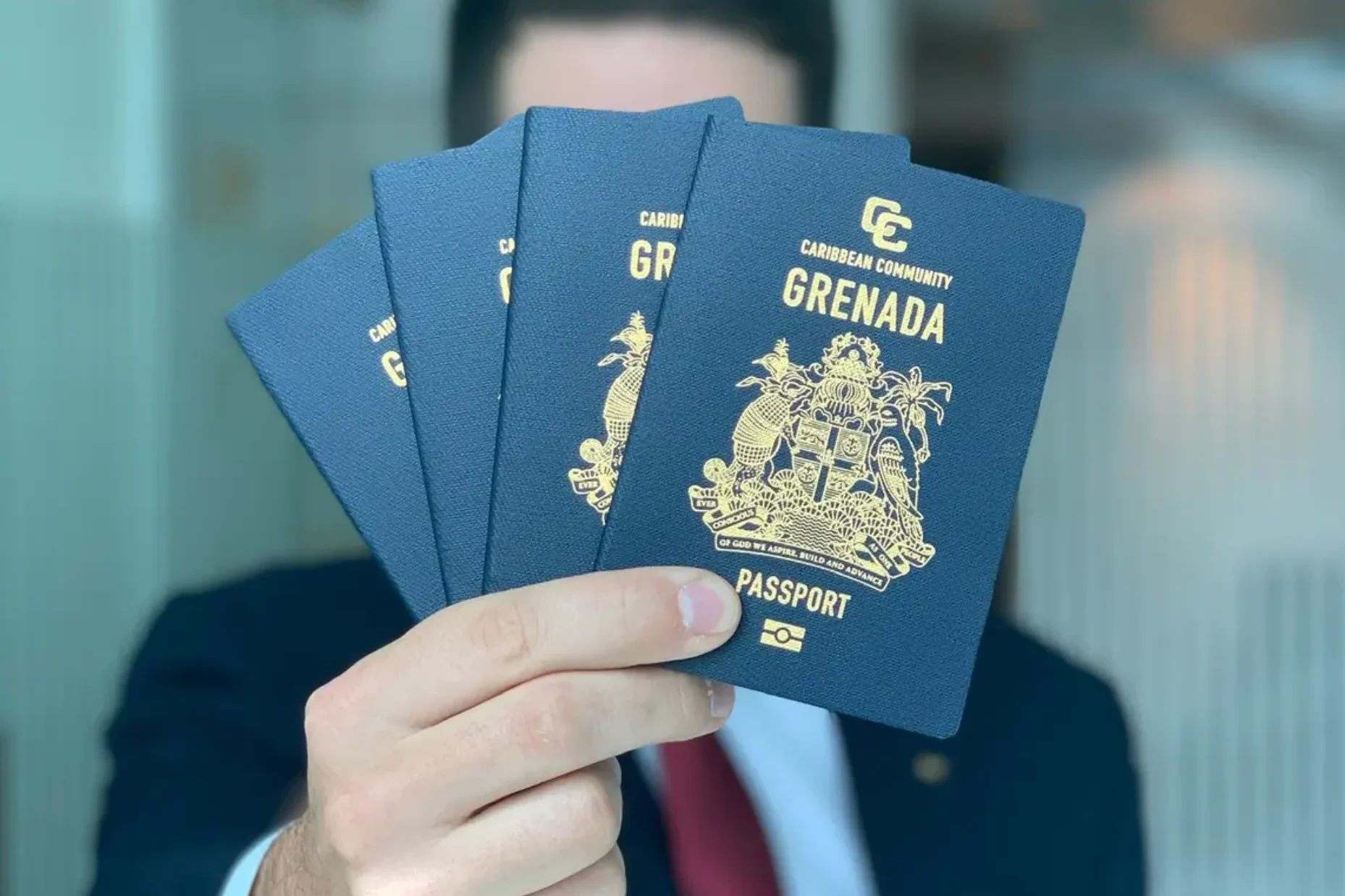



This article is neither a fiery speech nor a dry legal bulletin. It’s a refined, lightly witty conversation—like a respectable morning coffee: it wakes you up without slapping you—about identity and belonging in the age of multiple passports, and about the question that now knocks on investors’ doors and families’ doors at the same time: Has home become a choice?
If you asked your grandfather about identity, he’d point to the heart before he pointed to the passport. If you asked an immigration officer, they’d point to the camera before they pointed to your heart. Somewhere between Grandpa and that camera lives a growing group of people—business owners, investors, and families—whose reality can’t be summed up in one question, but in a full sentence: “I love my country, but I need a global plan for a safer life, better education, and easier mobility… so has home become a choice?”
At AccessWay, we hear that question often. Not as “luxury,” and not as “escape,” but as a major strategic decision with real human weight. A decision that’s somewhat like buying a new headquarters for your company: you don’t do it just because the décor is nice, but because stability, opportunity, reputation, and the legal environment all factor in… and yet, there’s always something in the heart that never fits neatly into a spreadsheet.
When a passport becomes a risk-management tool—not just a pretty cover
Let’s say it gently: in business, no one likes the word “surprise.” Surprises belong at birthday parties—not in residency plans or your children’s future.
That’s exactly why the meaning of citizenship, residency, and visas has shifted. It’s no longer “just a travel document.” For many families and entrepreneurs, it has become part of risk management: mobility risk, stability risk, education, healthcare, and business continuity.
Multiple passports here aren’t about the whim of “collecting stamps.” They’re about a clearer idea: having options. And options today are like emergency exits in a building: you don’t think about them all the time… but their presence makes you breathe easier.
Still, the more options you have, the louder the identity question gets: if I can live here or there, then who am I—where do I belong?
Has home become a choice? Yes… but not the way people assume
In everyday talk, the question sounds simple: “Pick your home.” As if we were choosing a restaurant: Italian today or Levantine?
But reality is deeper. Home becomes a “choice” when three conditions come together:
- Legal ability to move (residency, citizenship, work visa, etc.).
- Financial and managerial capacity to plan (a calculated decision, not a leap in the dark).
- Emotional and family capacity to adapt (because moving isn’t just a suitcase—it’s a lifestyle).
When those conditions aren’t in place, home isn’t “a choice” so much as it is a reality you navigate with dignity and wisdom.
The idea we like at AccessWay is this: home can expand rather than split. You can keep your roots and grow new branches without feeling like you’re fighting a “loyalty war” every time you open the drawer of passports.
Sometimes you don’t change your country… you change your angle: from “Where am I?” to “How do I live better?”
Identity and belonging in the age of multiple passports: identity doesn’t break—it negotiates smartly

Old-school identity felt like a fixed label. Modern identity looks more like a resume that keeps updating.
Are you a business owner? Part of your identity lives in your company, your network, and your professional reputation. Are you a father or mother? Part of your identity lives in small, concrete details: the right school, a safe neighborhood, a nearby hospital, more time with family, and a future that doesn’t depend on “luck.”
That’s where the “smart negotiation” happens: letting both identities coexist—roots and future—without guilt.
And the gentle joke we often share with anyone worried about that coexistence: Relax… your heart isn’t an airport with gates that shut once capacity is reached.
Real belonging isn’t in the “address”… it’s in peace of mind
Belonging is a big word, but it’s measured in very simple things. Ask yourself:
Do you sleep easily where you live? Do you feel protected by the law? Can you plan the next five years without everything hanging on a single fragile possibility? Can you speak up in a business meeting or at your child’s school without feeling like you’re an “extra guest”?
Belonging isn’t a slogan—it’s a sense of stability. And humans don’t create or innovate while they’re shaking.
That’s why many investors seek strong residency or a second citizenship: not because they hate their first home, but because they love their families and businesses enough to build a safety net around them.
“Am I betraying my country if I take a second citizenship?” A fair question—and the answer is calmer than you think
This question often arrives in a low voice, as if the person is afraid their heart will hear it before anyone else does.
The truth: a second citizenship doesn’t erase the first from your memory. It doesn’t delete your history. It doesn’t change the place where you learned your earliest lessons about life. What it often does is give you freedom of movement, a stability plan, and a less anxious future.
And belonging? Belonging isn’t measured by the number of passports, but by the sincerity of your relationship with your country: Do you still carry its language? Do you respect its good values? Do you support your family? Do you build economic and knowledge bridges?
One of the fairest definitions of belonging is this: remain loyal to the origin, without sentencing the future to a single option.
The investor and the family: why “home” changes meaning when schools, healthcare, and time enter the picture
Investors often think in numbers—and that’s great. But families think in another language: “Is this place good enough for a child to grow up in?” And that language is no less professional—just more sensitive.
When we talk about residency, citizenship, or a work visa, we’re not talking only about travel. We’re talking about:
- A school that matches your child’s potential rather than your fears.
- A healthcare system that doesn’t force you to negotiate with panic at midnight.
- A clear legal environment that spares your business unpleasant surprises.
- More time—because “paperwork pressure” eats family nerves faster than meetings do.
One real-life line we hear with a smile: some parents say they don’t want “an extra passport”—they just want to stop playing the game of “Will the visa be approved before school starts, or do we redo the entire plan?” That’s not luxury. That’s life management.
Work visa vs. residency: the difference between “I go there” and “I settle there”
Many people mix up visas, residency, and citizenship—then they’re surprised the path isn’t a straight line.
- A work visa can be an excellent entry point into a new market, but it’s often tied to a job contract and specific conditions, and it can change when the job changes.
- Residency means deeper stability, broader rights, and the ability to build a long-term day-to-day life.
- Citizenship opens another level: near-full rights, higher mobility, and family continuity across generations.
Because every route has its own conditions and complexities, deciding purely on emotion is like running a company purely on intuition: you might succeed once—but you wouldn’t call it a “system.”
Multiple passports: the pleasant side… and the side that needs an accountant and a lawyer

Let’s be elegant and honest: multiple citizenships aren’t always “pure ease.” Sometimes they bring tax questions, different legal obligations, and the need to understand your rights and responsibilities with precision.
We don’t say this to scare you—we say it to reassure you: the right decision isn’t emotional, and it isn’t a trend. The right decision is built on a clear file assessment: your current situation, your real goal, the pace of the pathway, the cost, and the risks.
That’s exactly where working with a team that knows the official routes matters—rather than letting your life bounce between other people’s experiences like it’s a comment section.
Where do you start? With one question that summarizes everything: what are you trying to protect?
Instead of starting with “Which citizenship is best?” start with the smarter question: What are you trying to protect?
- If you’re protecting your business: you’ll need a pathway that supports mobility, banking, and legal stability.
- If you’re protecting your family: you’ll look at education, healthcare, and social safety first.
- If you’re protecting freedom of movement: you’ll consider passport strength, ease of entry, and continuity.
Then the question “Which country?” becomes logical—not emotional. And you’ll notice a big difference between someone choosing with the mindset of “I want anything fast,” and someone choosing with the mindset of “I want what actually fits me.”
The difference—unfortunately—can be years of time, significant costs, and headaches you don’t need.
One last human note: you’re not searching for a country—you’re searching for a calmer version of yourself
In the end, “Has home become a choice?” isn’t only about geography. It’s about the life you want to live.
Some people want a home with space for success without paying for it with their nerves. Some want a home where their child can laugh in two dialects without feeling like a stranger in either. And some want a home that lets them be global in business, while still being a devoted son or daughter who doesn’t miss family occasions because a visa document was delayed.
Home—by that definition—can be more than a place. It can be a system of peace of mind: clear law, real opportunities, a respectful society, and a daily life that isn’t run in “emergency mode.”
If this feels like it describes you—and you want a clear route toward citizenship, residency, a work visa, or a passport—the best move is to start with one smart step instead of ten scattered ones: reach out to AccessWay—book a consultation, assess your file, or even start with a WhatsApp message that simply says, “Here’s my situation… what’s the best option?” You’ll be surprised how much anxiety drops when a big question turns into a small, executable plan.
A passport may open the airport gate… but the right plan opens a full life.