




For years, the idea of “buying residency” carried a familiar image: a wealthy investor purchasing a luxury apartment in Lisbon or a seaside villa in Estonia in return for the right to live in Europe. But in 2026, the rules have fundamentally changed. Bricks and concrete are no longer the hard currency of sovereign migration markets. Lines of code and artificial intelligence patents have become the new golden ticket.
We are witnessing the rise of what is now known as the “AI Visa,” a structural shift in European policy reflecting a clear realization that the future is not built through property development, but through technological innovation. Countries such as Estonia and Portugal are no longer interested in passive capital. They are seeking active minds capable of shaping the decade ahead.
The End of the Real Estate Era, the Beginning of the Talent Era
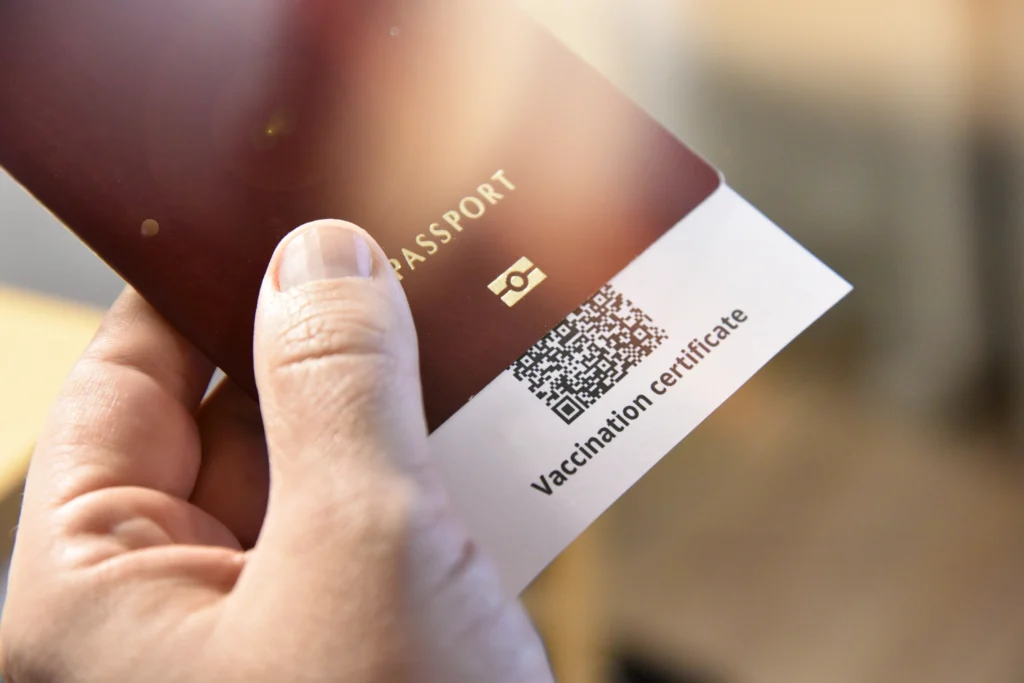
For years, traditional “Golden Visa” programs faced mounting criticism from the European Union, accused of inflating property prices for local citizens without generating meaningful economic value. By 2026, that pressure reached a tipping point, prompting leading nations to design more strategic migration pathways.
The AI Visa is no longer a catchy headline—it is a matter of national competitiveness. The concept is both simple and compelling: instead of placing €500,000 into an apartment, invest it in developing a large language model or an AI-driven computer vision startup on our soil, and gain a fast track to residency—potentially even citizenship.
Europe has chosen to stop being a museum for tourists and instead position itself as a global laboratory for artificial intelligence. This shift serves two purposes: counterbalancing the dominance of Silicon Valley technology giants and anchoring the talent that will drive the economy of the future.
Estonia: The Digital Laboratory That Never Sleeps
When it comes to digital governance, Estonia remains several steps ahead. In 2026, Tallinn expanded its well-known e-Residency Estonia program into a direct pathway to permanent residence under what is now referred to as a high-innovation visa track.
Estonia does not require vast dormant wealth as much as it demands a scalable technological roadmap. Priority is given to companies integrating AI into sustainability or cybersecurity solutions. What makes Estonia particularly attractive is its 0% corporate tax on reinvested profits, creating an ideal environment for founders who would rather burn code than burn cash on overhead.
The country’s defining advantage is what many call “invisible bureaucracy.” Entrepreneurs can establish a company, apply for residence, and manage legal compliance entirely through digital platforms, operating from anywhere in the world until permanent residency—often linked to company growth and local job creation—is secured.
Portugal: From Sun and Sand to Silicon Porto
Portugal, once the top destination for property-based residency seekers, has radically reformed its framework. By 2026, the government formally closed the real estate route in major cities and introduced a High Technological Value (HVT) pathway.
Under the new model, AI startup founders are offered more than residency. They gain structured access to advanced computing centers in Lisbon and Porto, alongside state-backed incubation programs that combine seed funding with immigration benefits.
Portugal’s strategic insight lies in targeting digital nomads who have evolved into tech investors. The country recognized that today’s remote developer can become tomorrow’s billion-dollar founder—if given the right legal and operational ecosystem to settle permanently.
Why Investors Prefer AI Over Real Estate in 2026
Some may wonder why an investor would choose a startup over a tangible property asset. The answer lies in three structural advantages:
Innovation Yield vs. Rental Yield: In volatile property markets, AI ventures have demonstrated exponential growth potential. Investing through an AI visa is not merely a residency expense—it is a stake in transformative technology.
Political and Social Integration: European governments increasingly view tech investors as partners in nation-building rather than speculative buyers driving up prices. This alignment provides greater regulatory stability.
Ecosystem Advantage: Securing residency through technology places founders within a network of engineers, venture capitalists, and innovators. You are not purchasing walls—you are entering a high-value ecosystem that significantly enhances your project’s odds of success.
In 2026, value is no longer defined by where you live, but by what you build—and from which jurisdiction you scale it globally.
The Roadmap to Permanent Residency Through Technology
Securing this visa is no longer about presenting a substantial bank statement. Requirements have become more sophisticated and impact-driven:
Proof of Innovation: A business model fundamentally built on AI or machine learning, with clear contributions to solving European market challenges.
Employment Strategy: A demonstrated capacity to create high-quality technical jobs for local citizens, reinforcing the host country’s knowledge economy.
Academic Partnerships: Countries such as France and Spain increasingly encourage or require collaboration with local universities to ensure knowledge transfer and research development.
These criteria distinguish visionary founders from those merely seeking a second passport without meaningful contribution.
Economic Impact: How “Algorithmic Residency” Is Reshaping Europe

Early 2026 data indicates that countries adopting innovation-based residency tracks have experienced a 40% rise in locally registered patents. The effect goes beyond fiscal revenue—it represents a broader technological renaissance.
Entrepreneurs relocating from hubs such as Dubai, Singapore, or Silicon Valley bring global management experience that enriches local ecosystems. At the same time, these programs help reduce European brain drain, enabling graduates to join well-funded startups within their own countries.
AI-driven residency frameworks have become catalysts for Europe’s industrial revival—this time powered by digital infrastructure rather than smokestacks.
A Word to Ambitious Investors in 2026
If you are considering securing your family’s future in Europe, shift your focus from property agents to technology and international legal advisors specializing in innovation-led migration.
Europe’s doors are open—but to those who carry a programmable key.
Invest in your intellect, your company, and the technology you believe in, and you will find that Europe offers not only residency, but strategic positioning within the economy of the future.
Looking for the Fastest and Most Reliable Path to Anchor Your Innovation in Europe?
In a legal and technological landscape that evolves by the hour, outdated information is a liability. At AccessWay, we understand that your journey toward permanent residency through tech investment requires a partner fluent in both regulatory frameworks and code.
Whether you are pursuing Estonia’s innovation pathway, Portugal’s HVT route, or exploring the most strategic AI-focused migration options for 2026, our team combines deep legal expertise with technological insight.
Do not merely follow the future—build it.
Contact AccessWay today and let us transform your technological vision into a concrete reality—and a gateway to limitless opportunity.
References and Key Resources
- e-Residency Estonia – Official portal detailing Estonia’s digital residency framework and innovation-driven pathways.
- AICEP Portugal Global – The government body overseeing Portugal’s High Technological Value visa program.
- European Commission – AI regulatory framework and innovation agenda, including the AI Act.
- Startup Estonia – Official criteria for AI startup eligibility under Estonia’s innovation visa track.
- Ministry of Economic Affairs and Digital Transformation – Spain’s startup legislation and digital transformation policies supporting AI founders.