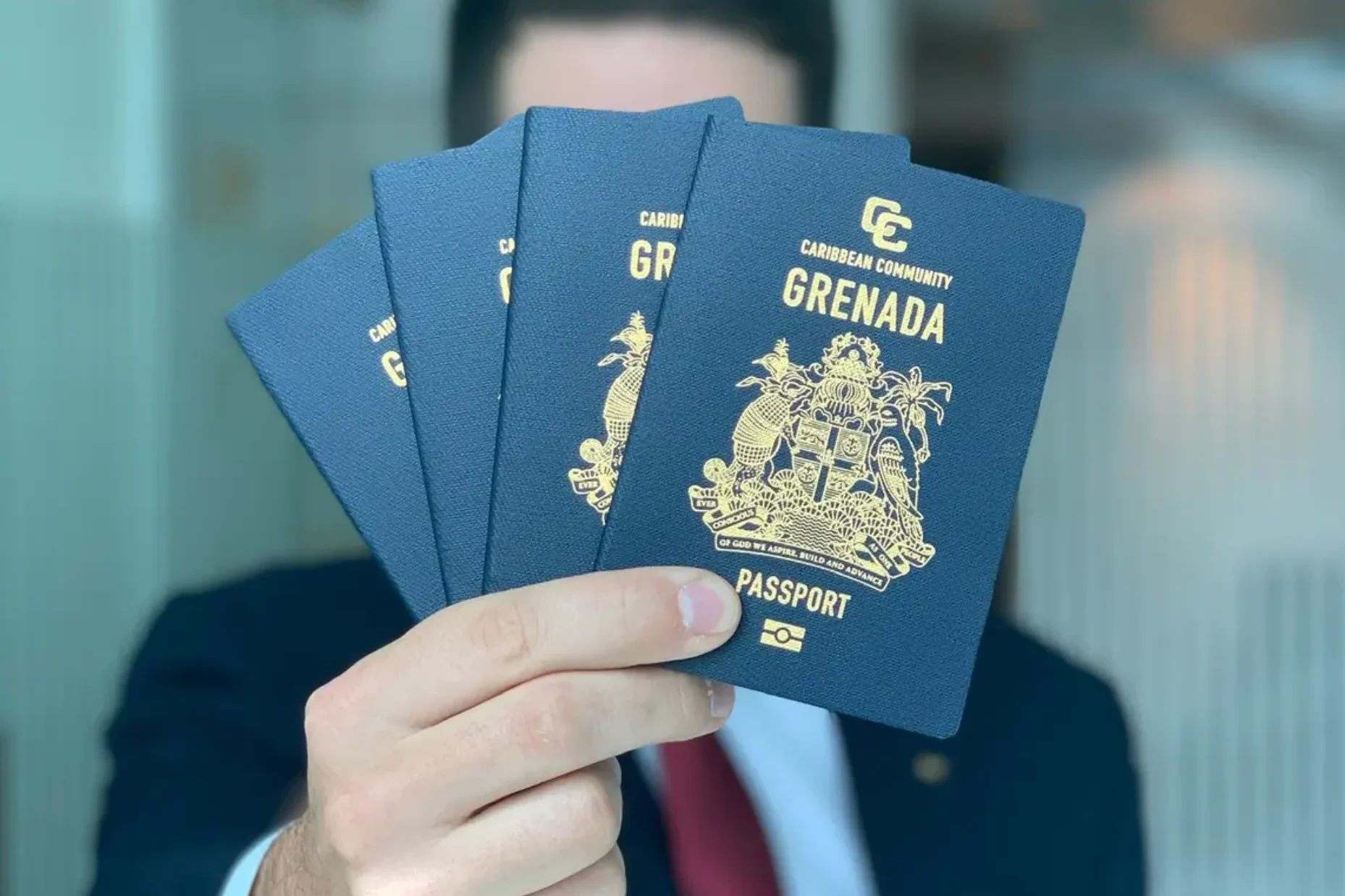



International mobility is undergoing a radical transformation as the European Union retires the manual “passport stamps” that have accompanied travelers for decades. In their place, the EU is implementing the sophisticated biometric Entry/Exit System (EES). This is not merely a technical update; it is a comprehensive redesign of the Schengen Area travel experience, aimed at bolstering security and maximizing border crossing efficiency like never before.
A New Dawn for Schengen Borders: What is the EES?
The Entry/Exit System (EES) is a vast, centralized technological framework designed by the European Union to digitally register travelers from non-EU countries (third-country nationals). Instead of searching for a blank page to stamp with fading ink, the system will create a digital file at any external border point, linking your identity to your biometric data.
The system records full names, travel document types, fingerprints, and high-resolution facial images. The core objective is to eliminate human error in assessing duration of stay; the system automatically calculates the number of days spent within the Schengen Area, ensuring strict adherence to the “90/180-day rule.” This digital scrutiny prevents manipulation or oversight—a pivotal shift in the future of digital travel to Europe and the new EES. Furthermore, it serves as a robust defense against identity fraud. Once your data is registered, impersonation or the use of forged documents becomes nearly impossible, as facial biometrics cannot be faked at electronic gates.
Why Now? Security and Logistical Drivers
Manual stamps have proven inadequate for the modern age; they fail to provide real-time data on who is within borders at any given moment and are susceptible to damage or forgery. Through the EES, the European Union aims to close this significant security gap. This unified database allows authorities to identify “overstayers” with pinpoint accuracy upon departure or during routine domestic checks.
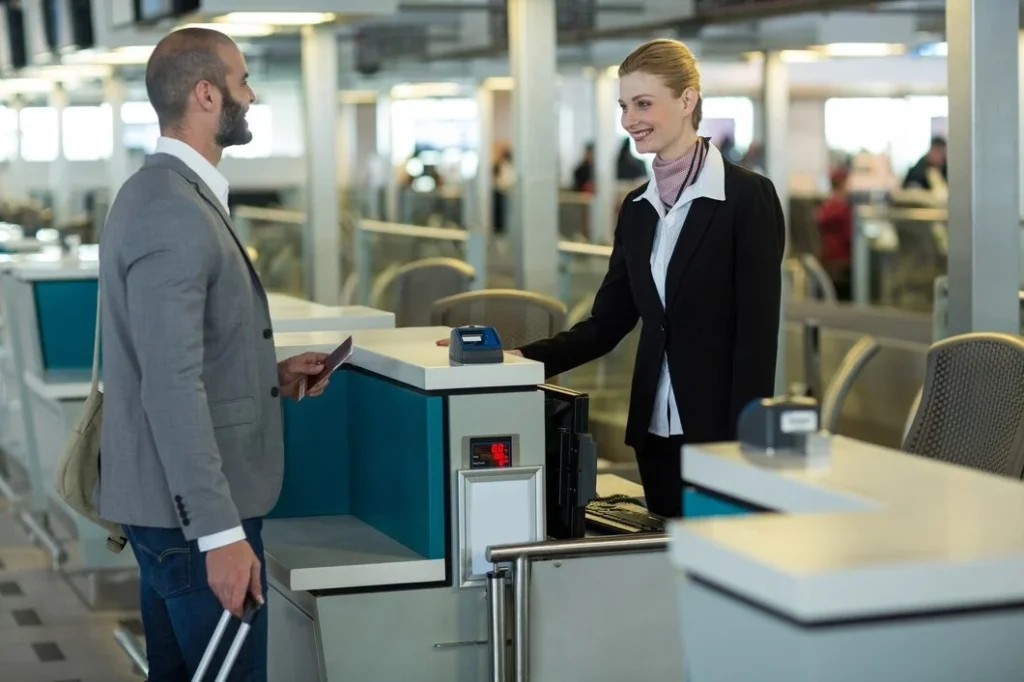
Logistically, major hubs like Paris Charles de Gaulle and Frankfurt suffer from severe congestion during peak seasons due to manual processing. The EES, integrated with self-service kiosks, will significantly accelerate throughput. Travelers will scan their own passports and faces, while border officers transition to roles focused on monitoring and intervention. This investment in technology is what makes the future of digital travel to Europe and the new EES an indispensable reality for ensuring the seamless flow of legitimate travelers.
Your Next Trip: Navigating the New System

Upon your first arrival at a European border following full implementation, you will not head directly to a booth. Your journey begins at a “self-service kiosk.” There, the system will prompt you to scan your passport, capture a biometric facial image, and scan four fingerprints from your right hand (for first-time registration only). This data is stored in an encrypted, secure database for three years.
On subsequent trips, the process will be significantly faster; the system will recognize your face instantly, match your data with your existing file, and grant passage in seconds. You no longer need to worry about missing or illegible entry stamps—every second spent in Europe is recorded with “nanometric” precision in the EU’s digital cloud.
Target Groups and Exemptions: Are You Included?
The EES applies to all non-EU citizens, including those who do not require a visa for the Schengen Area (such as citizens of the U.S., Canada, and certain Gulf nations) as well as short-stay (Schengen Visa) holders. If you are traveling for tourism, business, or family visits for up to 90 days, you are the primary subject of this system.
Exemptions include EU citizens, permanent residency permit holders, and long-term visa holders (such as those for long-term study or work). These individuals will continue to use designated lanes, as their legal status grants them rights that fall outside the scope of short-stay visit regulations.
Technical Challenges: Is Europe Ready?
Despite the benefits, the launch faced several delays due to the massive infrastructure required at every border point—from the smallest Greek seaport to the largest Spanish airport. Member states had to ensure local systems could communicate with the central database in Strasbourg without latency.
Additionally, “first-time travelers” present a challenge; the initial biometric enrollment takes longer than a traditional stamp, potentially leading to initial queues. Consequently, airports are investing heavily in awareness campaigns and extra staffing to assist travelers at kiosks, ensuring a smooth transition into the future of digital travel to Europe and the new EES.
EES and ETIAS: The Digital Transformation Twins
It is vital not to confuse the EES with ETIAS (European Travel Information and Authorisation System). While EES records “movement” at the border, ETIAS is a “pre-travel authorization” similar to the U.S. ESTA, targeting visa-exempt travelers. The two systems work in tandem: you must first obtain ETIAS approval online before traveling, and upon arrival, the EES registers your physical entry. This integration means Europe will know who is arriving before they board (via ETIAS) and exactly when they enter and exit (via EES).
Privacy and Data Protection
The collection of biometric data naturally raises privacy concerns. The EU confirms that the EES complies with the highest Data Protection Regulation (GDPR) standards. Data is stored only for the necessary duration (3 years for compliant travelers; 5 years for overstayers). Access is restricted to border and immigration authorities and, in strictly defined cases, law enforcement for the prevention of terrorism. For the average traveler, this means their data is protected by rigorous laws aimed solely at facilitating passage and securing borders.
AccessWay’s Tips for the New Digital Era
As experts in international strategy and global mobility, we advise travelers to:
- Verify your passport’s biometric validity: Ensure your passport contains an electronic chip, as the system relies entirely on reading these chips.
- Allocate extra time for your first trip: The initial registration of fingerprints and facial data requires precision and patience.
- Monitor your stay duration: While the system tracks this for you, being mindful of the 90/180-day rule prevents future legal issues or entry bans.
- Embrace the change: The future of digital travel to Europe and the new EES is an ally that reduces human error and protects your identity from theft.
Conclusion: From Paper to Biometrics
The launch of the EES marks the end of the era of ink stamps, ushering in an epoch of efficiency and heightened security. At AccessWay, we believe technology is the ultimate key to facilitating the movement of people and capital, and this system is its cornerstone.
Chart new horizons with AccessWay. In a world of accelerating digital transformation and complex mobility laws, AccessWay stands as your premier strategic partner. We design pathways to success in international investment, cross-border business development, and smart growth strategies.
Do not just observe the change—be part of it with AccessWay. Contact us today to draft your global future strategy.