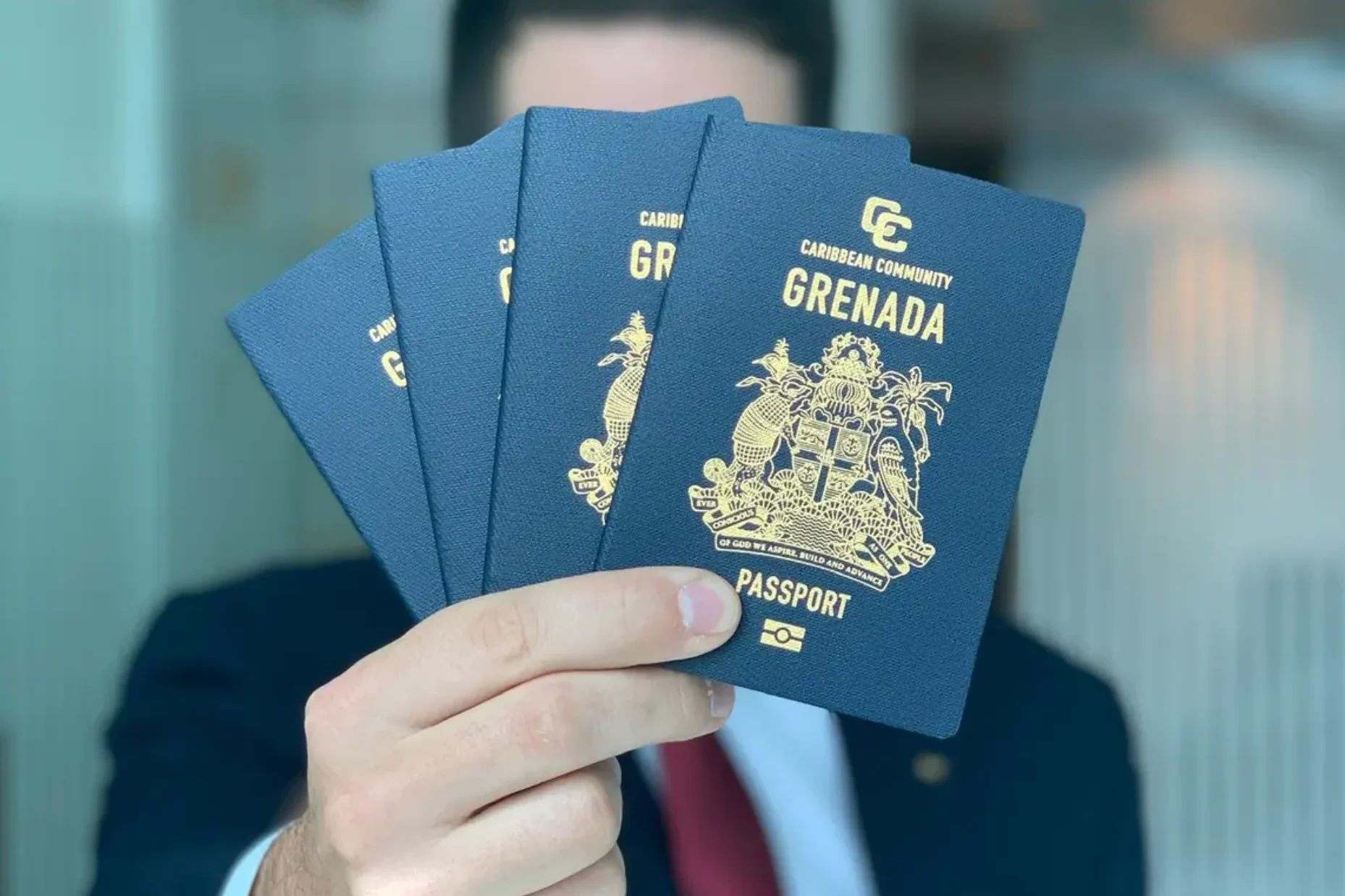




The Global Due Diligence System has transformed citizenship from a mere identification document or birthright into a privilege subject to security and intelligence protocols that exceed the rigor of major bank credit audits. When an investor or entrepreneur pursues “Citizenship by Investment,” they enter a process known in diplomatic circles as Due Diligence. This is not a mere formality; it is the filter that preserves the international reputation of a passport and the mechanism that answers a government’s fundamental question: Who is this person requesting the right to belong to our nation? Understanding these vetting standards is the essential first step for anyone seeking to expand their sovereign horizons, as the transparency of this system is the only guarantee for the global acceptance and sustainability of these programs.
The Anatomy of Due Diligence: Beyond Criminal Records
A common misconception is that government vetting is limited to a clean criminal record. In reality, the process is far more profound. It begins with “Level One” verification—an internal review by the host country’s citizenship unit to ensure document consistency and the absence of historical contradictions in the applicant’s biography. This includes a meticulous examination of birth certificates, marriage licenses, educational records, and extensive employment histories.
The process then moves to “Levels Two and Three,” involving private international intelligence firms contracted by governments. These firms look beyond paperwork to trace an applicant’s “digital and physical footprint.” They investigate commercial registries in every country where the investor has operated, verifying the legitimacy of their wealth. Implementing due diligence standards at this stage means that every dollar entering an account is historically traced to ensure there is no suspicion of money laundering or the financing of illicit entities.
International Intelligence Coordination: Behind-the-Scenes Diplomacy
Citizenship-granting nations do not operate in a vacuum; they are part of a global security fabric that includes major entities such as Interpol, Europol, and the intelligence agencies of allied nations. When an application is submitted, data is cross-referenced against global security databases to identify “red flags.” This coordination ensures that an individual rejected by “Country A” for security reasons cannot bypass the system via “Country B.”
This level of scrutiny is precisely what gives a passport its value at international borders. Nations that grant visa-free access to certain passports do so because they trust that the issuing state applies ironclad vetting standards. Any lapse in this system could lead to the loss of visa-free privileges—a move governments consider “diplomatic suicide.” Consequently, applicants from vital regions, including the Middle East, are vetted with extreme care to prevent any element that might harm national security or international standing from slipping through.
Financial Transparency: Tracing the Roots of Capital
One of the most rigorous stages is the “Source of Funds” verification. It is not enough to possess millions in a bank account; one must prove how those funds were acquired from day one. Governments look for the “Source of Wealth”—a historical analysis of wealth accumulation. Is it the result of a documented inheritance, the sale of real estate assets, or profits from registered commercial enterprises?
Investigators require years of bank statements, tax returns, and audited corporate records. The goal is to prevent the entry of “political funds” or wealth derived from foreign government corruption. The savvy investor understands that organizing financial records to be “audit-ready” is the golden key to obtaining citizenship. Ambiguity in the source of wealth often leads to immediate rejection, regardless of other qualifications.
The Political Dimension: Politically Exposed Persons (PEPs)

A specific category of applicants—Politically Exposed Persons (PEPs)—undergoes double scrutiny. These are individuals who hold or have held high-ranking positions in their home countries, or who have close ties to political officials. Governments handle these cases with extreme caution to ensure that a new citizenship is not being used as a shield for misappropriated public funds or to evade future legal prosecution. Vetting for PEPs involves reviewing every major decision made during their tenure to ensure no conflicts of interest led to the inflation of their wealth. While politicians are not barred from second citizenship, they are required to provide a level of disclosure far exceeding that of a standard applicant to ensure their inclusion is a qualitative addition rather than a legal or ethical liability.
Field Verification: Investigators on the Ground
In cases that raise questions, due diligence firms move beyond desk research to “on-the-ground verification.” This may involve visiting the corporate headquarters mentioned in the application to confirm their physical existence and active operations, or conducting confidential interviews with former partners and professional associates. This ensures that “shell companies” are not being used for the sole purpose of naturalization. Modern vetting standards demonstrate their accuracy by uncovering discrepancies in reality, not just on paper. An applicant’s commercial and social reputation is thoroughly assessed; civil lawsuits or major commercial disputes are scrutinized to evaluate the ethical risks associated with granting them citizenship.
Cybersecurity and the Digital Footprint in the Age of AI
In the last decade, “digital intelligence” has become an integral part of application vetting. Sophisticated algorithms scan the internet, including the “Dark Web,” for any mention of the applicant in suspicious contexts. The process covers not only what the individual publishes about themselves but also what is reported in local and international press, social media platforms, and technical blogs. Modern due diligence takes digital associations and public statements into account to ensure the new citizen aligns with the social and political fabric of the state. Technology acts as a vigilant eye, assembling a complete and accurate digital portrait of the applicant.
The Economic Impact of Vetting Integrity: Why Investors Benefit from Rigor

While some may view the rigor of these procedures as a hurdle, the opposite is true. The stricter a nation’s due diligence, the higher the value of its passport. An investor who passes these complex tests receives a “global certificate of integrity,” enhancing their position when dealing with international banks and major insurance companies. When you present a passport from a country known for serious vetting, banks in Switzerland or London open their doors more easily, recognizing that you have cleared a security and financial audit by a government and international intelligence firms. Thus, due diligence provides the “diplomatic and purchasing power” of a second citizenship.
Preparing to Pass Due Diligence Successfully
Preparation is half the battle. It requires absolute honesty and total transparency from the outset. Any attempt to conceal information, however minor, may be interpreted as a “misleading attempt,” leading to automatic rejection and a permanent ban on future applications. Investors should collaborate with specialized legal consultants who understand the nuances of security systems and can help organize financial and legal files professionally. The process typically takes between 3 to 6 months—a necessary period to ensure every stone has been turned. Success in this vetting is a formal declaration of your entry into the elite club of “global citizens” respected by the international community.
Your Secure Gateway to Global Citizenship with AccessWay
At AccessWay, we believe that obtaining a second citizenship is a strategic decision that requires a partner fluent in the language of international security and legal systems. Our role begins with a “pre-screening” phase, where we review your file with the eye of an expert investigator to ensure it meets all standards before submission to governments.
With our extensive network and deep understanding of due diligence protocols, we save you time and mitigate the risk of rejection, ensuring a seamless journey toward securing your family’s future and expanding your global business influence.
Make your next move calculated and guaranteed. Contact the experts at AccessWay today to begin building your new global identity.