

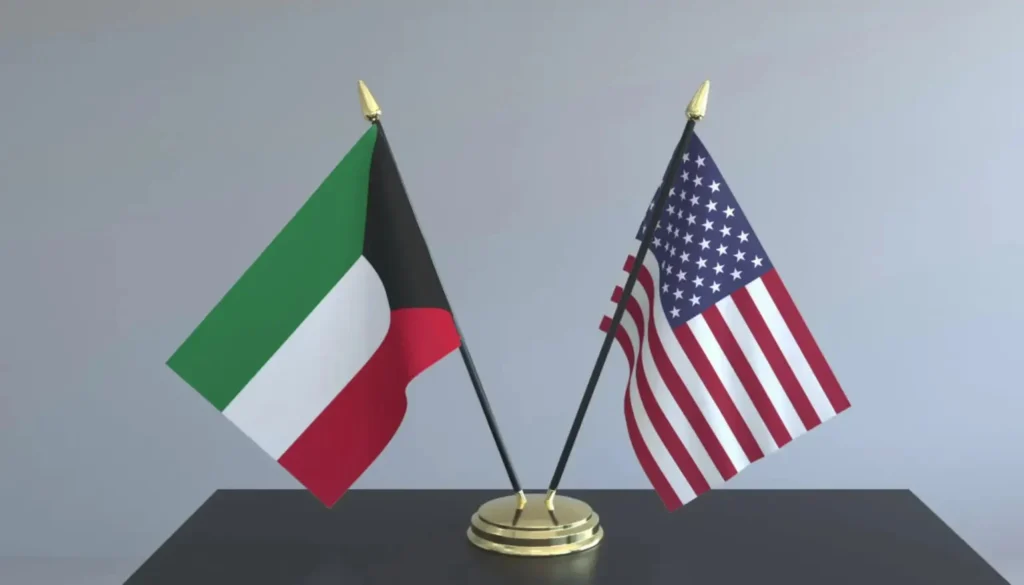
The beginning of 2026 has been anything but quiet regarding immigration and travel news. Kuwaiti circles have been abuzz with conflicting media reports regarding radical changes in U.S. visa policies. As questions escalated, the official statement from the U.S. Embassy in Kuwait arrived as the “final word” to quell all rumors. The reality, announced transparently by the Embassy, is that the decision to suspend U.S. immigrant visas from Kuwait is a specialized regulatory measure exclusive only to the permanent immigration category. This is part of a “Comprehensive Review” strategy that Washington is applying to 75 countries worldwide. Meanwhile, tourist, business, and student visas remain fully operational, receiving top priority to ensure the continued flow of people and economic exchange between the two friendly nations.
Reading between the lines reveals a serious American desire to update “entry protocols” to keep pace with the security and technical challenges of 2026. Kuwait, a long-standing strategic partner of the United States, has never been outside the circle of interest. This decision does not reflect a shift in political stance, but rather a “technical pause” to reorganize permanent residency files. In this article, we deconstruct the dimensions of this decision, explaining why America’s doors remain open to Kuwaiti tourists, students, and visitors, and how the savvy investor can navigate this transitional phase with calm and confidence.
Decoding the News: What Does “Immigrant Visas Only” Mean?
It is vital for Kuwaiti citizens to understand the fundamental difference between “immigration” and “visiting.” The decision to suspend U.S. immigrant visas targets exclusively “Green Card” applications—the category for those seeking to relocate permanently to the United States. By nature, this category requires complex security, economic, and social vetting. Under the new digital system launched by the U.S. State Department in 2026, these applications had to be temporarily suspended to integrate new biometric data and ensure the accuracy of automated screening.
The U.S. Embassy confirmed that this suspension does not include Non-Immigrant Visas (NIV). This means a citizen wishing to spend summer vacation in Los Angeles, a doctor attending a conference in Chicago, or a student awaiting acceptance from the University of Texas are all unaffected. The suspension is a “systems update,” not a “border closure,” aimed at making legal immigration faster and more transparent once the review period concludes.
Tourism and Trade: A Partnership Beyond Suspension
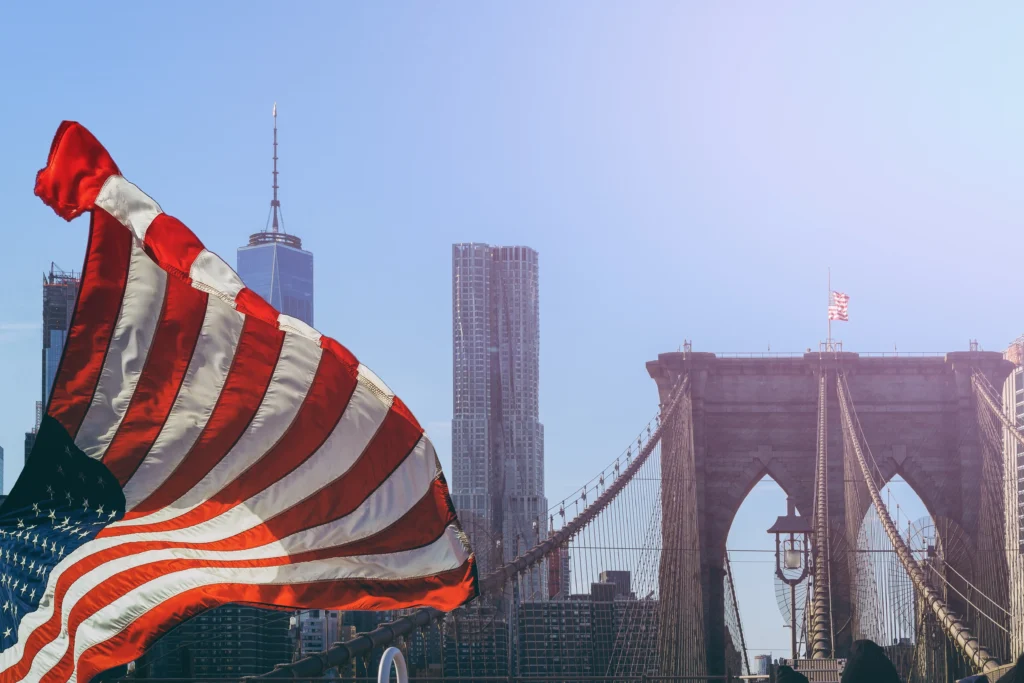
Why were tourist and business visas shielded from this decision? The answer lies in the strength of economic ties. In 2026, Kuwaiti investments in the U.S. reached historic figures, and America remains a preferred destination for Kuwaiti travelers. Exempting this category is an explicit recognition that the Kuwaiti visitor is a partner in growth, not a security or economic burden.
Commercial ties between Kuwait and Washington are growing in technology, sustainable energy, and real estate. Consequently, B1/B2 visas continue to be issued with high flexibility, maintaining streamlined interview processes for Kuwaiti citizens. While the comprehensive review focuses on “who will settle,” the red carpet remains rolled out for “who will visit and invest.” This intelligent separation ensures that the daily interests of companies and individuals remain untouched.
Scholarship Students: Kuwait’s Ambassadors are Secure
The U.S. Embassy has long described Kuwaiti students as the “best ambassadors for their country.” In the 2026 statement, this position was clearly reaffirmed; the Embassy announced that student visas (F-1) and cultural exchange visas (J-1) remain outside the scope of the current review. Educational ties are the most critical investment, and any disruption could affect decades of academic cooperation.
Kuwaiti students pursuing their education at top U.S. universities can continue to renew their visas and travel back and forth without fear. The U.S. administration recognizes that scholarship students enrich the American educational environment and return with expertise that contributes to their country’s development, making this pathway a top priority.
Behind the Scenes of the 2026 Comprehensive Review
What is this “Comprehensive Review” involving 75 countries? In 2026, the United States transitioned to a “Smart Borders” system. This shift requires an overhaul of security auditing protocols for all countries whose citizens are eligible for permanent immigration. The goal is to update systems that verify the “economic suitability” of new immigrants, ensuring they possess the skills or assets to support the U.S. economy rather than becoming a burden on taxpayers.
From a security standpoint, the review seeks to integrate international criminal audit records more cohesively. Kuwait, thanks to its advanced security system and close cooperation with Washington, is expected to be among the first countries to complete this review. This is a process of “development and maintenance” for immigration systems, not a punitive measure or a change in foreign policy toward Kuwait.
Why 75 Countries? Kuwait in the New Global Context
Including Kuwait in the list of 75 countries must be understood within its global framework. The list includes nations from various continents, with the goal of unifying American consular standards globally by the end of 2026. The official Kuwaiti stance has been characterized by wisdom and calm; the Kuwaiti Ministry of Foreign Affairs understands that these are “technical developmental” procedures.
The continuity of educational and tourism ties is definitive proof that Kuwait’s status remains unchanged. Countries targeted politically face closures of all visa types. For Kuwait, the measure was restricted only to “immigration,” while facilitating everything else, reflecting Washington’s confidence in the Kuwaiti citizen as a visitor, tourist, and student.
Advice for Kuwaiti Citizens Under the New Procedures

Based on recent updates, AccessWay advises the following:
- No Need for Concern: If your purpose is tourism, medical treatment, business, or study, your plans are entirely unaffected.
- Verify Visa Category: Ensure your application falls under “Non-Immigrant” categories, which remain open and welcomed.
- Early Planning: While tourist visas have not stopped, system updates may slightly increase wait times, so it is preferable to book appointments well in advance.
- Rely on Official Sources: The U.S. Embassy statement is the sole reference; do not be misled by anonymous reports regarding the suspension.
Looking Toward 2027: Post-Review Era
Projections indicate the U.S. will complete the 75-country review before the end of 2026. Once immigrant visas are reactivated, procedures are expected to be 50% faster due to full automation. Kuwaiti investors and immigrants will find themselves before a new global system characterized by extreme precision and clarity.
The maturity of the new consular system will see permanent immigration pathways reopen for those wishing to build a long-term future in America, but under the strongest security and technical umbrella in the world. It is a journey of continuous development aimed at protecting both the traveler and the resident alike.
Contact us today to secure your next journey with the highest standards of precision and professionalism. AccessWay — because we believe your citizenship is your freedom.