


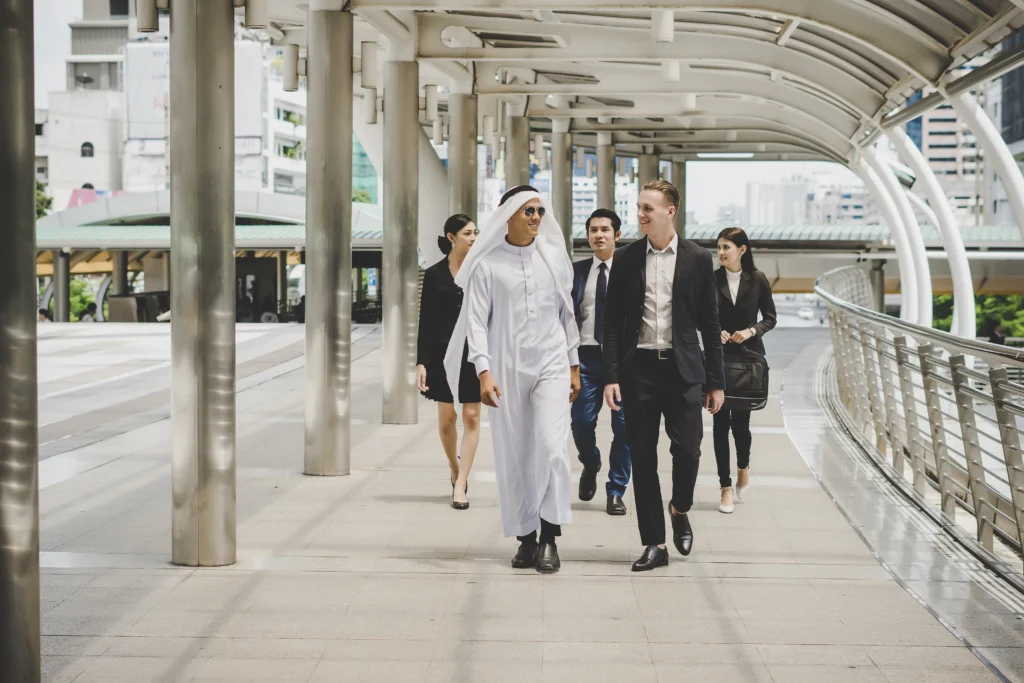
In a world where geographical borders have become little more than lines on antiquated maps, a new phenomenon is redefining the concept of citizenship among Middle Eastern elites. Today, wealth is no longer measured solely by bank balances or vast real estate holdings, but by an individual’s “sovereign liquidity.” We are witnessing a radical shift from citizenship by birth to citizenship by choice, where savvy economic minds adopt a multi-identity strategy as both a protective shield and an engine for growth.
This trend is far from a mere luxury or the pursuit of a different colored passport; it is a sophisticated investment decision driven by the necessity to hedge against geopolitical volatility and a desire to secure the future of coming generations, ensuring their fate is never tied to a single coordinate on the globe.
Beyond the Diplomatic Pouch: The Philosophy of Sovereign Diversification
When financial experts speak of “portfolio diversification,” the mind immediately goes to stocks, real estate, and gold. However, the entrepreneurial mindset in the Middle East has added a third dimension to this triangle: the diversification of homelands. A multi-identity strategy operates on the principle that relying on a single nationality constitutes a “concentration of risk” that defies sound business logic.
Diversifying identities ensures that an individual is no longer a hostage to sudden political shifts in one country or tax law amendments in another. It provides a “Plan B” ready for execution within hours. This goes beyond the idea of escape; it is about the agility to move toward opportunity wherever it arises. A global businessman requires the flexibility to treat the entire world as an open market, unhindered by visas or mobility restrictions that stifle ambition.
The Geography of Safety: Seeking Stable Havens
Investors inherently loathe ambiguity. While the Middle East is rich with opportunity, it remains a stage for rapid change. Here, a multi-identity strategy provides comprehensive “political insurance.” The wealthy seek nations with established legal systems, superior protection of private property, and an independent judiciary that guarantees wealth remains untouched except through international legal frameworks.
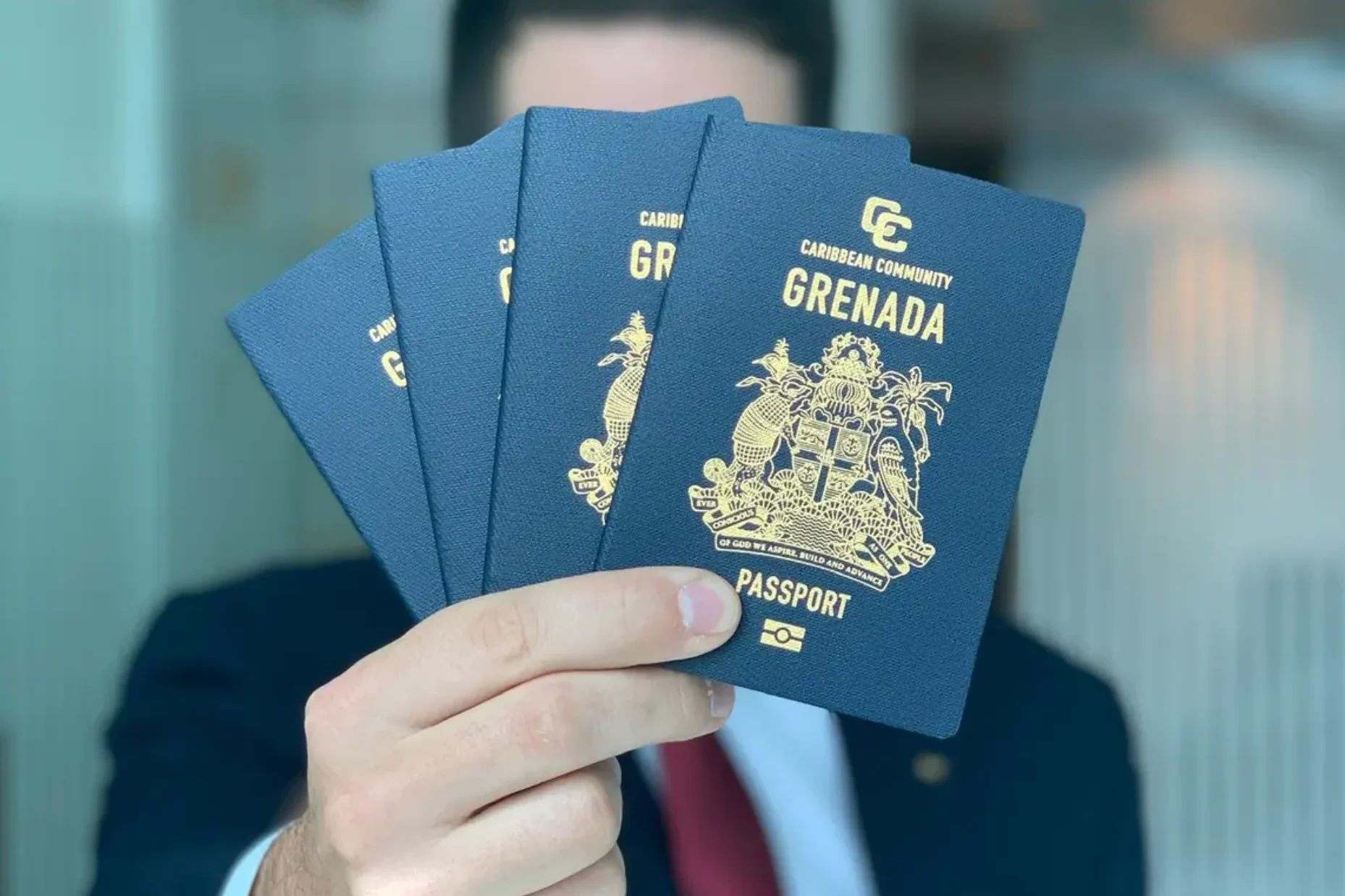
This search extends beyond traditional Western powers to include the Caribbean and Mediterranean Europe, where residency and citizenship-by-investment programs are prevalent. The benefit is twofold: capital is deployed into secure environments, while the investor gains a key to over 150 countries, making international business travel and negotiations seamless and effective.
Inheriting Opportunity: Citizenship as a Multi-Generational Asset

A wealthy head of household views an additional passport not just as a personal travel document, but as an invaluable legacy for their children. Providing children with multiple identities grants them access to the world’s finest education systems at domestic rates and secures their right to live and work in major economic blocs like the European Union or the Commonwealth.
By implementing this strategy, investors ensure their children will never face obstacles in attending prestigious universities or launching ventures in global capitals due to their original nationality. It is a process of “future-proofing,” ensuring the family remains a global player regardless of the circumstances surrounding their home country. Citizenship thus evolves from a purely emotional tie into a strategic empowerment tool.
Tax Efficiency and Global Wealth Management
Amid a global trend toward tighter tax oversight and information exchange, the smart investor must domicile wealth in fair fiscal environments. Diversified identities allow investors to structure their wealth legally and intelligently, leveraging international treaties to prevent double taxation.
This strategy facilitates the distribution of assets across different jurisdictions, reducing the overall tax burden and increasing net profits available for reinvestment. This is not about evasion, but about the “optimal use of international law” to protect wealth from erosion. Many countries offering citizenship by investment do not tax global income or inheritance, making them ideal hubs for managing family offices and preserving assets for future generations.
Mobility: The Passport as a Business Growth Engine
For Middle Eastern business leaders, time is the most valuable currency. Waiting weeks at embassies for a Schengen or U.S. visa represents a massive opportunity cost. Here lies the logistical power of a second passport: the freedom of immediate movement.
This freedom allows one to attend an emergency conference in London, close a deal in Singapore, or take a family holiday in Paris without prior bureaucratic planning. A strong passport is, in essence, a global “pilot’s license” that transforms its holder into a true global citizen, capable of responding to market shifts in an instant—a significant competitive advantage over peers still struggling with paperwork and formal applications.
Digital Transformation and Transcontinental Corporations
With the rise of the digital economy, a company’s headquarters is no longer tethered to the owner’s residence. Middle Eastern elites utilize multiple identities to establish firms in global financial centers like Luxembourg, Singapore, or Dubai, benefiting from advanced infrastructure.
Identity diversification simplifies opening international bank accounts, securing low-interest financing from global banks, and utilizing electronic payment platforms that might be restricted elsewhere. It is the gateway to digitizing wealth, allowing it to be managed from a tablet as the investor moves between world capitals, backed by a strong and internationally recognized national identity.
Choosing the Right Identity: Metrics Over Emotions
Not all citizenship programs are created equal. Choosing a second nation requires careful study beyond natural beauty or ease of processing. The astute investor looks at currency stability, global transparency rankings, and diplomatic strength.
The return on investment (ROI) of a citizenship is carefully evaluated: Will the real estate purchased for the passport appreciate? Are there physical residency requirements? Is citizenship automatically transferable to heirs? These questions transform the acquisition of a passport into a successful business deal, building a fortress of legal rights that protects the individual, their family, and their enterprise.
Conclusion: The Future Belongs to Those with Options
The trend of identity diversification among Middle Eastern elites is not a passing fad; it is a logical response to a complex and volatile world. It embodies the idea that “home is where your opportunities, safety, and family are best served.” By embracing this strategy, investors declare independence from geographical constraints and grant themselves the ultimate luxury: the freedom of choice.
In the twenty-first century, power lies not just in owning land, but in the ability to transcend it. Multiple identities are the most potent tool for achieving personal sovereignty, ensuring that successes achieved over years remain protected, regardless of how maps are redrawn or the balance of power shifts.
Are you ready to design your sovereign future?
At AccessWay, we do more than provide consultations; we design a comprehensive roadmap to diversify your identities and protect your wealth across borders. Our team of experts understands the unique needs of the Middle Eastern investor, securing access to the world’s most prestigious citizenship and residency programs with the utmost confidentiality and efficiency.
Do not leave your fate to circumstances beyond your control. Contact AccessWay today and begin your journey toward global citizenship.