


The options matter more than assets that can be relied upon for decades without reassessment. What was once considered a “safe” investment is no longer necessarily so, and what used to be classified as a long-term asset can turn into a heavy burden in a single moment. In this new reality, investment superiority is no longer determined by what you own, but by what you are able to choose, change, and redirect at the right time. This is precisely where a new phase of investment thinking begins: a phase in which options become more important than assets.
This shift is neither theoretical nor purely philosophical. It is a direct reflection of an unstable, fast-changing world in which economic and geopolitical rules are being rewritten at an unprecedented pace. Today’s smart investor no longer asks only, “What is the best asset?” but poses a deeper, more decisive question: “What options do I have when everything changes?”
From Asset Worship to Managing Probability
For a long time, investment thinking was built around ownership. Owning property, owning shares, owning companies, owning tangible assets. Accumulation itself was seen as security. Yet recent experiences—global financial crises, pandemics, wars, and sudden regulatory shifts—have exposed how fragile this logic can be when it is not supported by flexibility.
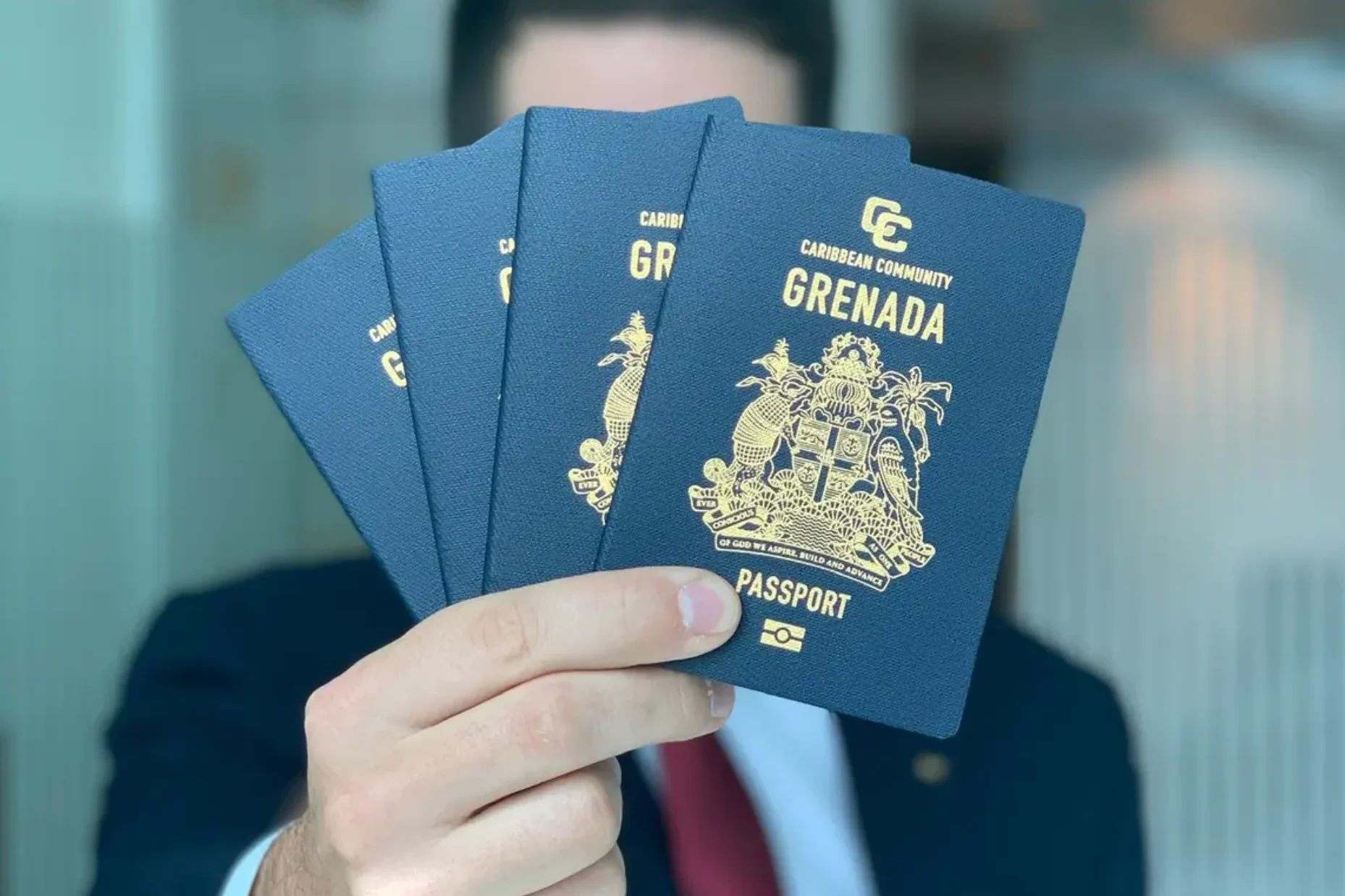
No matter how strong an asset may be, it remains tied to a single legal, economic, and political environment. An option, by contrast, represents the ability to move, reposition, and change course without fundamental loss. For this reason, major investors and intelligent institutions have begun to redefine value: value no longer lies in “what I own,” but in “what I can do if the landscape changes.”
An Unstable World—and a Different Meaning of Stability

Instability is no longer the exception; it has become the norm. Markets swing rapidly, laws change without long lead times, and taxes, restrictions, and even freedom of movement are no longer as guaranteed as they once were. In such a world, seeking stability through a single asset has become an expensive illusion.
Modern stability does not mean immobility; it means adaptability. The investor who holds multiple options—geographical, legal, operational—is the most stable of all, even if they appear to own fewer assets on the surface. This is the essence of smart investment options: the ability to move before being forced to do so.
Options as the New Currency of Investment Power
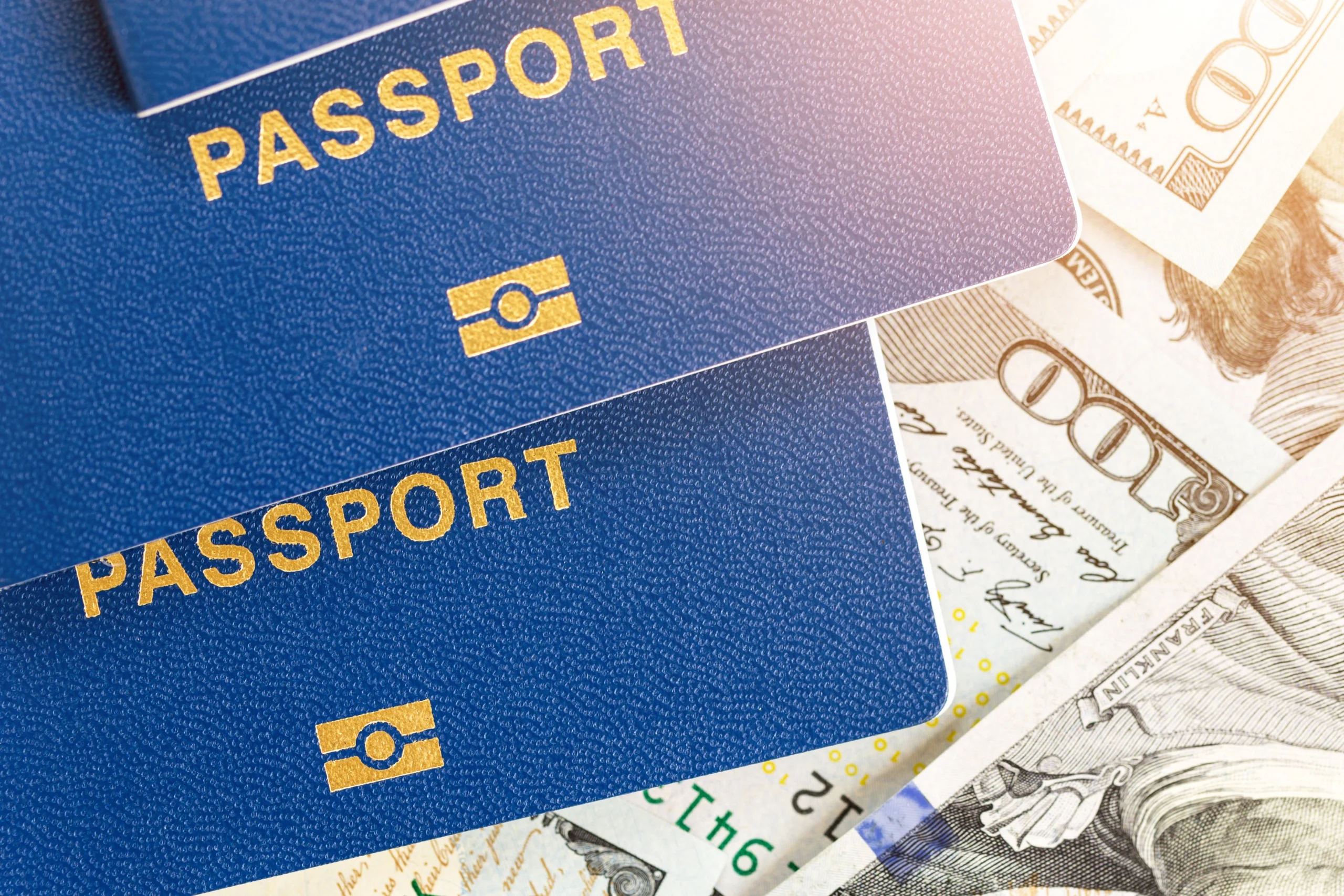
In today’s economy, options have become a currency in their own right. The option to reside in more than one country, the option to establish businesses in different environments, the option to move capital, the option to restructure assets, the option for a fast exit, the option for a calculated entry. These options may not generate immediate returns, but they protect returns and multiply the chances of sustaining them.
An investor who owns assets without options is like someone who owns a powerful ship but has no alternative ports. The one who owns multiple options, however, can navigate confidently even through turbulent seas.
From Linear Thinking to Network Thinking
One of the biggest flaws of traditional investment thinking is its linearity: asset → return → growth. This model assumes environmental stability—an assumption that is no longer valid. Modern investment thinking has become network-based, multi-path, and scenario-driven rather than dependent on a single forecast.
The network thinker does not build one path, but an entire system of paths. If one route closes, alternatives are already in place. This kind of thinking cannot be achieved by relying on a single asset, no matter how solid it may be; it requires carefully structured and intelligently distributed options.
Why Assets Alone Are No Longer Enough
Assets today are increasingly exposed to politicization, overregulation, and restriction. A premium property in an unstable legal environment can become illiquid. A successful company in a single market can be suffocated by sudden legislation. Bank accounts can be frozen by sovereign decisions.
Options, on the other hand, mitigate these risks. They do not eliminate them, but they give the investor the ability to navigate around them legally and strategically. This is why we are witnessing a clear shift in investor behavior—from focusing on “where to place money” to focusing on “how to keep decision-making power.”
Investment Thinking as the Art of Managing Freedom
Freedom is no longer a philosophical concept; it has become a core investment component. Freedom of movement, freedom of choice, freedom to reposition. These freedoms do not automatically come with asset ownership; they come with option ownership.
The investor who understands this shift does not fall into the trap of high short-term returns if they impose long-term constraints. He balances return with flexibility, profit with control, ownership with the ability to change.
A New Generation of Investors, A Different Mindset

The new generation of investors is not driven solely by accumulation, but by control over the trajectory of their lives. They are less attached to the idea of the “eternal asset” and more focused on building systems that allow global mobility and strategic shifts without catastrophic losses.
This generation understands that true value lies not in property alone or in a company alone, but in the ability to reshuffle the deck when the world changes. This is why options have become a central element in any serious investment conversation.
The Real Risk: The Absence of Options
In an unstable world, the greatest risk is not market volatility but the lack of alternatives. An investor without options becomes hostage to circumstances, no matter how strong their assets may be. Those with multiple options, by contrast, turn instability from a threat into an opportunity.
Economic history clearly shows that great fortunes were not preserved by ownership alone, but by the ability to transform at the right moment. And such transformation is impossible without prebuilt options.
The Future: Investing in Capability Before Investing in Assets
All indicators point toward a more complex world, not a simpler one. Competition for resources, regulations, taxes, and even talent will intensify. In this environment, the winners will not be those with the largest assets, but those with the greatest room to maneuver.
Investing in options is an investment in decision-making power. It is an investment in time, flexibility, and an unpredictable future. Those who understand this today will be far better prepared for what comes tomorrow.
Conclusion: When the Rules Change, Priorities Change
When options become more important than assets, this does not mean abandoning ownership; it means reordering priorities. Assets still matter, but they are no longer sufficient. True value today lies in combining assets with options, returns with flexibility, stability with the ability to change.
In an unstable world, intelligent investment thinking does not seek illusory safety. It builds a system of options that protects decision-making before it protects money. And those who grasp this reality are not just investing in assets—they are investing in their freedom.